

Smith Cove (also known as Smith’s Barcadere) is a small protected cove on Grand Cayman’s southwest coast where coral formations sit just 30 yards from shore, the water is calm enough for a five-year-old, and you don’t need a boat, a tour, or a dollar to get in the water. For shore snorkeling — meaning you walk in from the beach and swim to the reef yourself — it’s one of the best spots on the island.
The cove is framed by natural ironshore limestone formations and shaded by sea grape trees, which gives it a tucked-away feel even though it’s only five minutes south of George Town. There’s free parking, public restrooms, freshwater showers, and shaded picnic tables. There are no food vendors, no gear rental stands, and no admission gates — just a pocket beach, clear water, and a reef full of parrotfish.
Here’s what you need to know to plan a visit, including what you’ll see underwater, when the water is clearest, and what to bring since no one is selling anything on-site.
- Smith Cove is a free public beach on South Church Street, about 5–10 minutes south of George Town — one of Grand Cayman’s best shore snorkeling spots, especially for beginners and families
- Coral formations start roughly 30 yards offshore (a one-minute swim); depth goes from 2–3 feet at entry to 8–10 feet at the reef — look for parrotfish, angelfish, stingrays, and a resident octopus or two
- Free parking lot across the street, free restrooms, freshwater showers, and shaded picnic tables — no food vendors or snorkel gear rental on-site, so bring your own
- Best time: weekday mornings for calm, clear water and fewer people; after 5 pm the sunset crowd fills the cove; cruise-ship days are busiest
- Beyond snorkeling: rock jumping from the ironshore, tide pool exploring, sunset photography, and picnicking under the sea grapes
What Makes Smith Cove One of Grand Cayman’s Best Snorkeling Spots?
Three things: the reef is close enough to swim to in a minute, the water is protected enough for beginners, and there’s no boat traffic.
Smith Cove sits inside a natural limestone inlet. The ironshore formations on either side of the cove break incoming waves and create a sheltered pool of calm water — it’s still 99% of the time, according to local operators who track conditions here. The cove faces west, which means prevailing easterly trade winds push across the island and lose their energy before reaching this side. The result is flat, clear water on most mornings.
The coral area starts about 30 yards from shore — roughly a one-minute swim. You wade in through 2–3 feet of water at the beach, and the bottom gradually drops to 8–10 feet at the reef. There’s no channel to cross, no current to fight, and no boats to dodge. For families with kids learning to snorkel, this combination of shallow entry, short swim, and zero boat traffic is hard to beat on Grand Cayman.
Guests we talk to who’ve snorkeled both Cemetery Beach and Smith Cove say Smith Cove is calmer and better for kids, while Cemetery Beach has a longer reef and more species variety. Divers and experienced snorkelers sometimes find Smith Cove underwhelming compared to the barrier reef (which requires a boat trip), but as a walk-in shore spot, it punches well above its size.
Smith Cove is part of Grand Cayman’s marine park system, managed by the Cayman Islands Department of Environment. The protected status means the reef here is healthier and more vibrant than unprotected shorelines — you’ll notice more fish and brighter coral than at comparable beach breaks.
What Will You See Snorkeling at Smith Cove?
The reef at Smith Cove is a patch of hard coral heads and brain coral sitting at 8–10 feet, surrounded by sand. It’s compact — you can cover the whole snorkeling area in 20 to 30 minutes — but it’s dense with life.
Marine Life
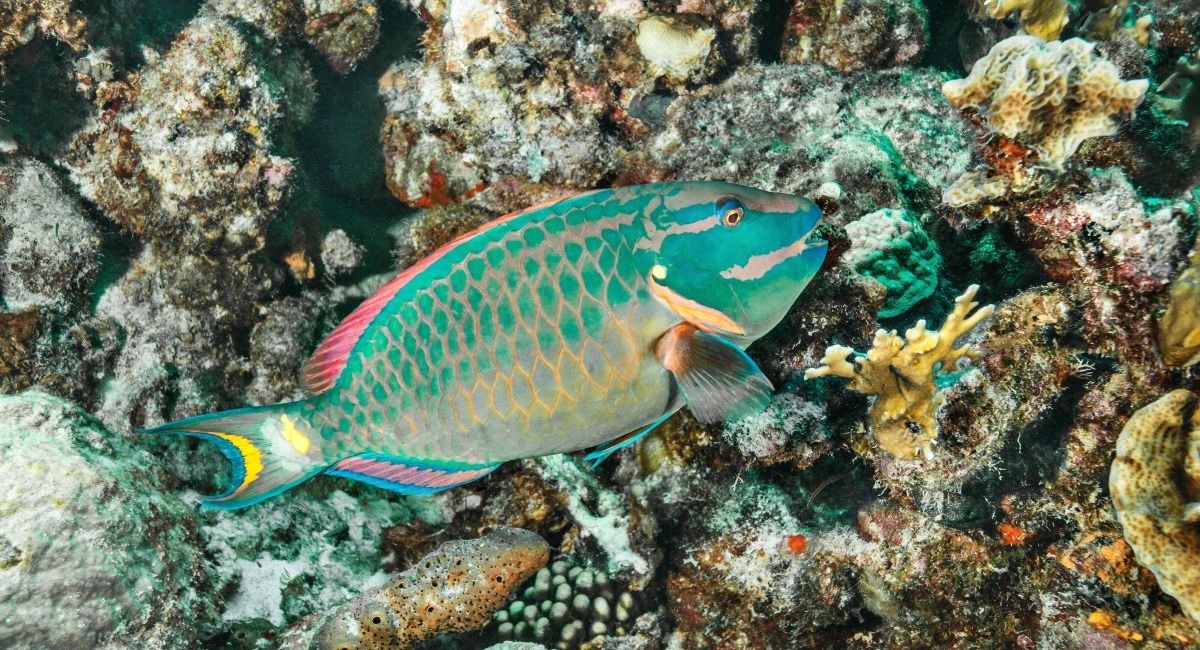
Parrotfish are the most common sighting — you’ll hear them crunching on coral before you see them. Angelfish, sergeant majors, yellowtail snappers, and blue tang move through the coral heads in small schools. Stingrays occasionally glide across the sandy bottom between the reef and shore. Guests we’ve talked to regularly report spotting a resident octopus tucked into the rock formations — they’re easiest to spot in the morning when they’re active, and the water is at its clearest.
Water Depth and Conditions
At the beach entry, the water is 2–3 feet deep — shallow enough to stand comfortably. The bottom is sandy with scattered rocks. As you swim toward the reef (about 30 yards out), the depth drops gradually to 8–10 feet. There’s no sudden drop-off and no strong current.
The water is calm on the vast majority of days. On rare occasions when the wind shifts to the south or southwest, conditions can turn rough and visibility drops — if you arrive and the water looks murky or choppy, skip the snorkeling and enjoy the beach instead. In our experience, morning visits offer the best visibility, before afternoon winds pick up.
When Is the Best Time to Visit Smith Cove?
Go on a weekday morning. The water is calmest, the light is best for seeing the reef, and you may have the cove to yourself.
Morning vs. afternoon: Morning visits (before 10 am) typically offer the clearest water and fewest people. Afternoon winds can reduce visibility, though the cove’s sheltered position means it stays calmer than open beaches. The late afternoon brings a completely different crowd — sunset watchers, photographers, and couples — starting around 5 pm.
The sunset factor: Smith Cove faces west, which makes it one of Grand Cayman’s best sunset viewing spots. The ironshore formations silhouetted against the sky draw photographers, wedding groups, and casual visitors every evening. If you’re coming to snorkel, plan for morning. If you’re coming for the view, arrive by 5 pm to claim a spot on the rocks.
Weekdays vs. weekends: The parking lot fills faster on weekends, and the small beach can feel crowded with 20–30 people. Weekday mornings are the sweet spot — the lot is usually half-empty, and the water is shared with only a handful of snorkelers.
Cruise-ship days: Smith Cove is less affected by cruise traffic than Seven Mile Beach or the Turtle Centre, but some taxi drivers bring cruise passengers here as a “local secret” stop. On heavy cruise days (3+ ships in port), expect more company. You can check the cruise ship schedule from the Cayman Islands Port Authority.
How long to spend: Most snorkelers cover the reef in 30–45 minutes. Add time for the beach, rock jumping, tide pools, and a picnic under the sea grapes, and you can easily fill a half-day. We’ve heard from visitors who planned a quick snorkel stop and ended up staying three hours — the shade, the tide pools, and the sunset keep people longer than they expect.
What Else Can You Do at Smith Cove Besides Snorkeling?
Smith Cove isn’t just a snorkeling spot — the ironshore formations, the shade, and the sunset position make it a multi-activity destination that fills a morning or a late afternoon.
Rock jumping: The ironshore limestone formations on either side of the cove rise a few feet above the waterline. Locals and visitors jump from these rocks into the cove — it’s low-height jumping (not cliff diving), but enough to be fun for kids and adults. Check the water depth before jumping, watch for sea urchins on the rocks, and wear water shoes on the ironshore — the limestone is sharp.
Tide pools: At lower tides, the ironshore creates small tide pools along the edges of the cove. These hold small crabs, sea urchins, and juvenile fish — a natural aquarium that kids find endlessly interesting. The tide pools are easiest to explore in the morning before the water level rises.
Sunset photography: The west-facing cove with its ironshore silhouettes against the sunset is one of Grand Cayman’s most photographed beach scenes. The rocks provide natural foreground framing that you won’t find at Seven Mile Beach. Smith Cove is also a popular spot for wedding and engagement photos — don’t be surprised to see a photographer and a couple in formal wear on the rocks around golden hour.
Picnicking: Several shaded picnic tables sit under the sea grape trees behind the beach. Since there are no food vendors at Smith Cove, this is the play — bring sandwiches, fruit, and water from George Town and eat in the shade after snorkeling. The combination of the beach, the shade, and the tables makes it one of the better picnic setups on the island.
How Do You Get to Smith Cove — and What Should You Bring?
Smith Cove is on South Church Street, about 5–10 minutes south of George Town by car. The turnoff is easy to miss if you’re not watching for it — look for a small sign reading “Smith’s Barcadere” on the right side of the road after you pass Thompson Drive heading south.
Driving: Renters we work with staying in South Sound or George Town have an advantage — Smith Cove is a 5-minute drive. From Seven Mile Beach, it’s about 10–15 minutes south. Free parking is available in a small lot directly across the street from the beach. The lot fills quickly on weekends and cruise-ship days — arriving before 9 am on those days is the safest bet. For a full breakdown of driving rules, see our driving in Grand Cayman guide.
From the cruise port: Smith Cove is too far to walk from the George Town cruise terminal. As of July 2026, a taxi runs about $12–$15 for the car one-way (up to four passengers — fares are regulated per taxi, not per person). Public buses run along South Church Street and can drop you near Smith Cove, but service is infrequent and not geared toward tourists — a taxi or rental car is the more reliable option. The ride takes about 5 minutes from the pier.
What to bring: This is important because nothing is for sale at Smith Cove. Pack your own snorkel gear (mask, snorkel, fins), reef-safe sunscreen, water shoes (the ironshore is sharp), towels, drinking water, and snacks or a picnic lunch. A waterproof phone case is worth having for underwater photos at the reef. If you need to buy or rent snorkel gear, George Town dive shops carry everything — pick it up on your way south. For more on what to pack for Grand Cayman activities, see our guide to preparing for your vacation.
Facilities on-site: Free public restrooms and freshwater outdoor showers. Shaded picnic tables under the sea grape trees. No changing rooms, no lifeguard, no food or drink vendors, no gear rental.
Nearby dining: Grand Old House and Seaharvest are both within a 2-minute drive for a post-snorkel meal. For a broader range of options, George Town’s waterfront restaurants are 5 minutes north — see ourGrand Cayman restaurant guide for recommendations. Renters staying nearby can also combine Smith Cove with a stop at one of Grand Cayman’s other top beaches on the same day.
For those exploring the full island, check out our West Bay area guide for the north end or our guide to Seven Mile Beach snorkeling spots for more shore snorkeling options.
About This Guide
This guide draws on snorkeling conditions, depth measurements, and facility details from local operator reviews at thingstodocayman.net, visitor reviews aggregated from TripAdvisor and Cruise Critic discussions, marine park context from the Cayman Islands Department of Environment, and independent editorial coverage from Lonely Planet. Practical logistics (parking, facilities, taxi fares) were verified in July 2026. Our editorial team reviews and updates this guide regularly. If you find anything that’s changed, let us know.
Frequently Asked Questions
Is Smith Cove good for snorkeling?
Yes — Smith Cove is one of Grand Cayman’s best shore snorkeling spots. Coral formations sit about 30 yards offshore (a one-minute swim), the water is calm and protected by ironshore limestone, and there’s no boat traffic. You’ll see parrotfish, angelfish, stingrays, and occasionally a resident octopus. It’s not as spectacular as the barrier reef (which requires a boat), but for walk-in shore snorkeling, it’s among the best on the island.
Is Smith Cove the same as Smith Barcadere?
Yes. Smith Cove and Smith’s Barcadere are the same beach. The sign at the entrance reads “Smith’s Barcadere.” “Barcadere” is a Caymanian term for a landing place, derived from the French word “débarcadère.” Most visitors and tourism websites use “Smith Cove” or “Smiths Cove.”
Is there parking at Smith Cove?
Yes. There is a free parking lot directly across the street from the beach. It’s small and fills quickly on weekends and cruise-ship days — arrive before 9am on busy days to be safe.
Can beginners snorkel at Smith Cove?
Yes. Smith Cove is one of the best beginner snorkeling spots on Grand Cayman. The water is 2–3 feet deep at the beach entry (you can stand), the swim to the coral is only about 30 yards, the cove is sheltered from waves, and there’s no boat traffic. Families with young children snorkel here regularly.
How deep is the water at Smith Cove?
The water at the beach entry point is 2–3 feet deep. It gradually deepens as you swim toward the coral formations, reaching 8–10 feet at the reef about 30 yards offshore. There’s no sudden drop-off.
Is there an entrance fee at Smith Cove?
No. Smith Cove is a free public beach. All beaches in the Cayman Islands have free public access. There are also free public restrooms, freshwater showers, and shaded picnic tables on-site.
Where can you eat near Smith Cove?
Grand Old House and Seaharvest are both within a 2-minute drive of Smith Cove. George Town’s waterfront restaurants are about 5 minutes north. There are no food vendors at Smith Cove itself, so bring your own snacks or plan to eat nearby before or after your visit.
Featured Photo: “Smith Cove” byDavid Stanley, licensed under CC BY 2.0.


